Start With Purpose, Not Just Placement
Don’t start with which chair looks nicest or what colors match your drapes. Start by figuring out what the corner actually needs to do. Is this where you’ll sip coffee and answer emails? Talk for hours with a friend? Hide with a book and ignore the world? Once you narrow that down, the rest falls into place fast.
Function comes first. A work corner needs task lighting and a firm chair. A decompressing zone deserves soft textures, low slung seating, and peace. Fold in the aesthetics after the fact layer in your style gently once the foundation works.
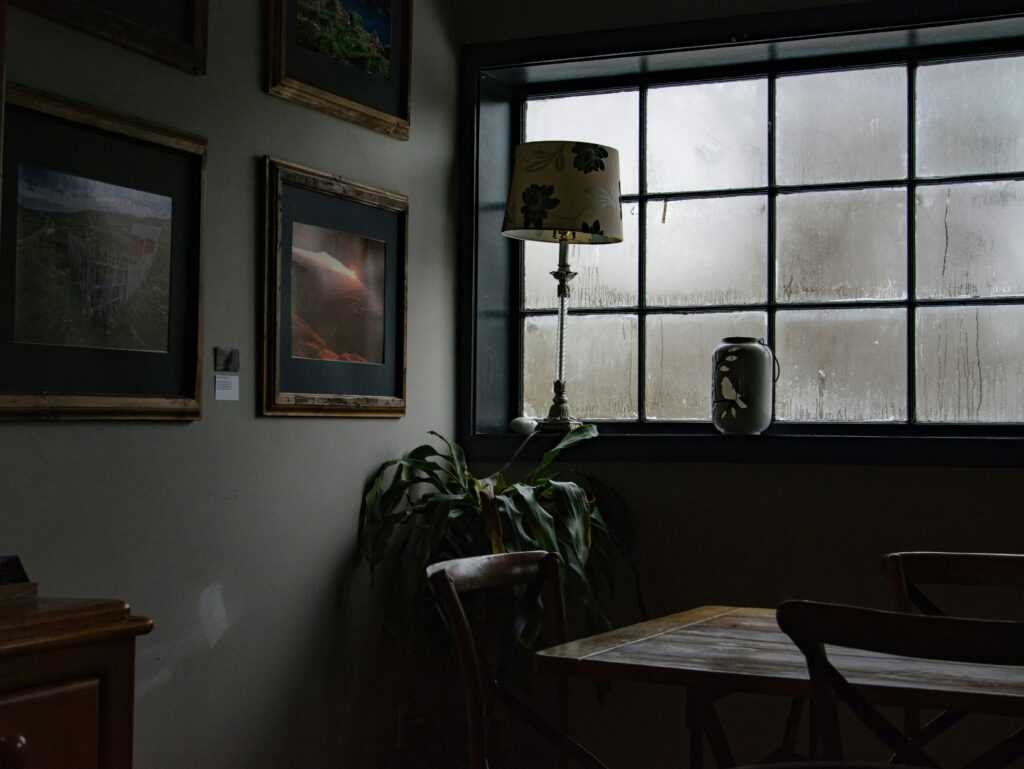
The best corners also hit the senses right. Go for warm lighting over harsh overheads. Consider where natural light lands during the day. Is there a breeze or view you can amplify? Add a plant, a soft rug, or a wrap around cushion that just asks you to sink in. The goal: make the corner feel like somewhere you want to be not just somewhere furniture landed by default.
Scale Furniture to Space
When space is tight, scale matters more than style. Low profile or armless chairs keep sightlines clean and movement easy. They invite without overwhelming and help avoid that boxed in feeling. Small footprint tables or storage ottomans are also smart picks they do double duty without crowding your corner.
Oversized furniture might look good in a showroom, but it eats up breathing room in the real world. Statement pieces are fine, but in a snug corner, they better earn their place. Aim for furniture that adds utility without stealing space.
Layering = Comfort
Cozy corners don’t just happen they’re built, layer by layer. Start with plush textures: throws that invite lounging, cushions that cushion more than just your back, and a soft rug underfoot that makes a corner feel grounded. Feel matters here. Texture deepens comfort.
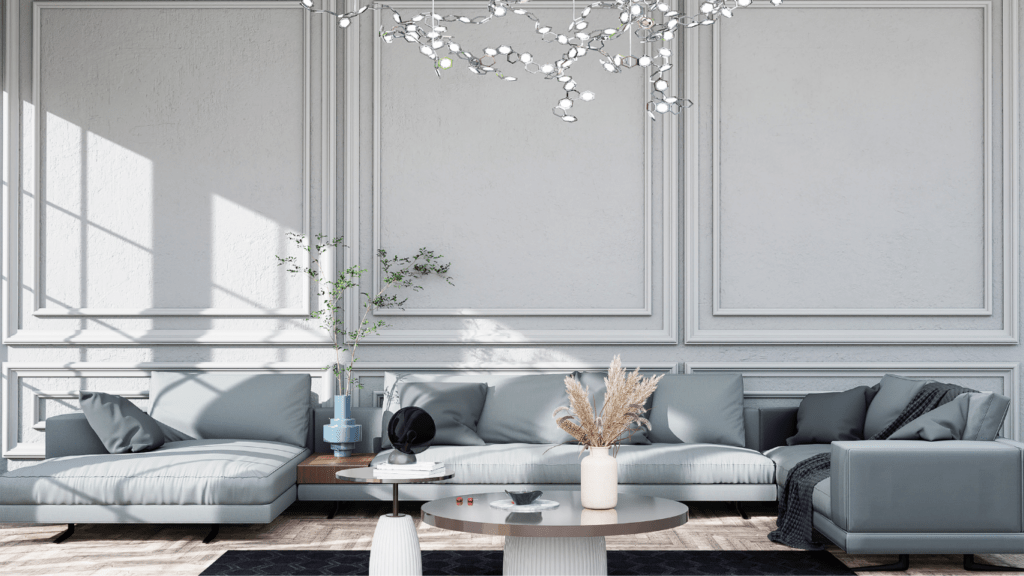
But it’s not all softness. You want contrast. The trick is mixing those warm elements with clean lines maybe a structured chair, a hard edge table, or a sleek reading lamp. That balance keeps comfort from tipping into clutter.
Vertical space is your quiet ally. Don’t just think floor level. A wall shelf with a few books and a candle, a sconce that lights just enough, or a tall plant that draws the eye upward all of them give your cozy corner a sense of presence without taking up elbow room.
Divide Without Walls

Creating cozy corners doesn’t mean closing them off. The key is to define a space without cutting it off entirely from the rest of the room. Smart visual zoning helps frame function while keeping things airy and open.
Use Area Rugs as Room Dividers
Area rugs help ground a space, clearly signaling a new ‘zone’ within a larger layout
Choose a pattern or texture that complements your furniture but sets the corner apart
Round rugs can soften sharp angles, while rectangular ones work well in structured nooks
Segment With Open Shelving or Screens
Opt for open shelving units that give the feel of a wall without blocking natural light
Decorative folding screens can create a sense of separation during certain times and fold away when not needed
Tall plants or ladder shelves also work as subtle soft dividers
Let Furniture Float Don’t Crowd the Edges
Pull seating slightly away from the walls to allow for a more intentional, inviting feel
Angled placement or a centered ottoman can encourage conversation and flow
Avoid the instinct to line everything up floating pieces create visual breathing room
A well divided space creates intimacy without confinement. It’s about giving your cozy corner just enough definition to feel special without boxing it in.
Tactics for Tricky Spaces
Not every room gives you a clean slate. Odd angles, low ceilings, tight windows they all mess with flow if you’re not careful. But with some smart choices, you can make these weird areas work for you, not against you.
Got a weird layout? Angle your furniture inward. A slight pivot can create a natural sense of enclosure feels tucked in, not off kilter. It draws focus back into the space and makes even the quirkiest corner feel intentional.
Low ceilings? Show some leg and by that, we mean your furniture’s. When the base of a chair or sofa is lifted off the floor, light travels underneath. It tricks the eye and keeps things light and open. Heavy or skirted furniture can weigh the space down.
Dealing with tight windows? Let the curtains pool a little. Don’t force sharp, clean lines in a space that needs softening. Fabric that gently touches the floor pulls the eye down and anchors the window visually. It also adds a cozy, custom feel.
For more ideas to tackle room specific hurdles, check out arrange awkward spaces.
Keep Movement in Mind
A cozy corner doesn’t mean a cramped one. Thoughtfully considering traffic flow, sight lines, and spatial relationships ensures your space feels both inviting and functional.
Prioritize Clearance
Keep accessibility at the forefront:
Leave at least 24 36 inches around furniture pieces near doorways or walkways
Avoid placing items too close to corners where people naturally pass through
Ensure drawers or cabinet doors within the nook can open fully without obstruction
Clarity of Sight = Cohesion
A corner should feel like it belongs to the room not like it’s shut off from it.
Position furniture to complement the room’s layout, not compete with it
Ensure key elements (like a reading chair or lamp) are visible and inviting from other parts of the room
Use low, open pieces to keep sight lines airy and unobstructed
Support the Room’s Main Purpose
Every space has a central function make sure your corner supports, not disrupts, that flow.
A cozy chat nook should sit near shared seating areas or natural gathering zones
Work or hobby corners benefit from some separation but still need accessible pathways
Think of your corner as an extension, not a detour
Good flow makes a corner feel natural not bolted on.
Anchor With Personality
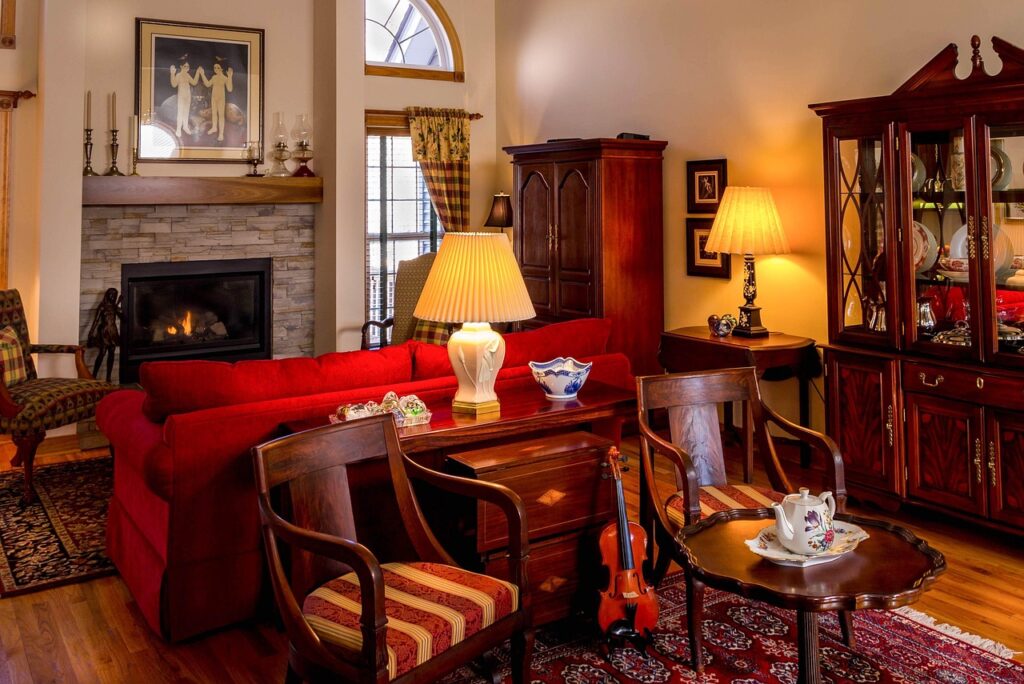
Even the smallest corner can pack a punch if you treat it with focus. A standout lamp maybe sculptural, maybe vintage can instantly warm up the space and draw the eye. Art does the same. Framed prints, canvases, or even a leaning piece on a shelf can give the area depth. Mirrors are more than decorative too; they bounce light and can visually double the space a trick that’s as functional as it is aesthetic.
But the goal isn’t about decorating for the sake of it. It’s about putting your personal fingerprint on the room. Whether your style leans boho, clean minimal, offbeat maximalist, or something in between, let that show. Pick a few pieces that actually mean something to you, or at least make you want to sit there awhile.
One crucial rule: treat the nook like a mini room, not a catch all bin. If you don’t give it a proper purpose, it’ll end up as overflow for mail, bags, or laundry. Place things there with intention or don’t place them at all.
For Hard to Design Spots
Not every corner is a design dream but that doesn’t mean it should be ignored. With smart choices and creative thinking, even awkward spaces can become warm, functional highlights of your home.
Transform Dead Zones with Purposeful Pieces
Some corners seem destined to gather dust. Instead, turn them into something special:
Built in shelves or seating can instantly create usability in small or narrow areas
Corner benches work well for reading nooks, entryways, or casual dining spots
Modular furniture adapts easily to unconventional layouts, offering both flexibility and storage
Embrace the Quirks
Odd angles or tight corners? Lean into the uniqueness rather than forcing symmetry:
Play with asymmetrical layouts that still feel intentional and balanced
Pair contrasting shapes like a round lamp next to a triangular table to create curated interest
Use custom or DIY pieces that fit the angles instead of fighting them
Want More Tips for Tricky Layouts?
Designing around limitations can lead to some of your most creative corners. For more smart ideas on how to handle unusual spaces, check out this guide: Arrange Awkward Spaces
 Harry Marriott – Lead Interior Stylist
Harry Marriott is Castle Shelf House’s Lead Interior Stylist, known for his keen eye for detail and expertise in modern and classic home designs. With a background in interior architecture, Harry brings innovative styling solutions to the forefront, ensuring that each home reflects a unique personality. His approach to furniture placement and design trends helps clients create harmonious living spaces that combine aesthetics with functionality.
Harry Marriott – Lead Interior Stylist
Harry Marriott is Castle Shelf House’s Lead Interior Stylist, known for his keen eye for detail and expertise in modern and classic home designs. With a background in interior architecture, Harry brings innovative styling solutions to the forefront, ensuring that each home reflects a unique personality. His approach to furniture placement and design trends helps clients create harmonious living spaces that combine aesthetics with functionality.