Know What You’re Getting Into
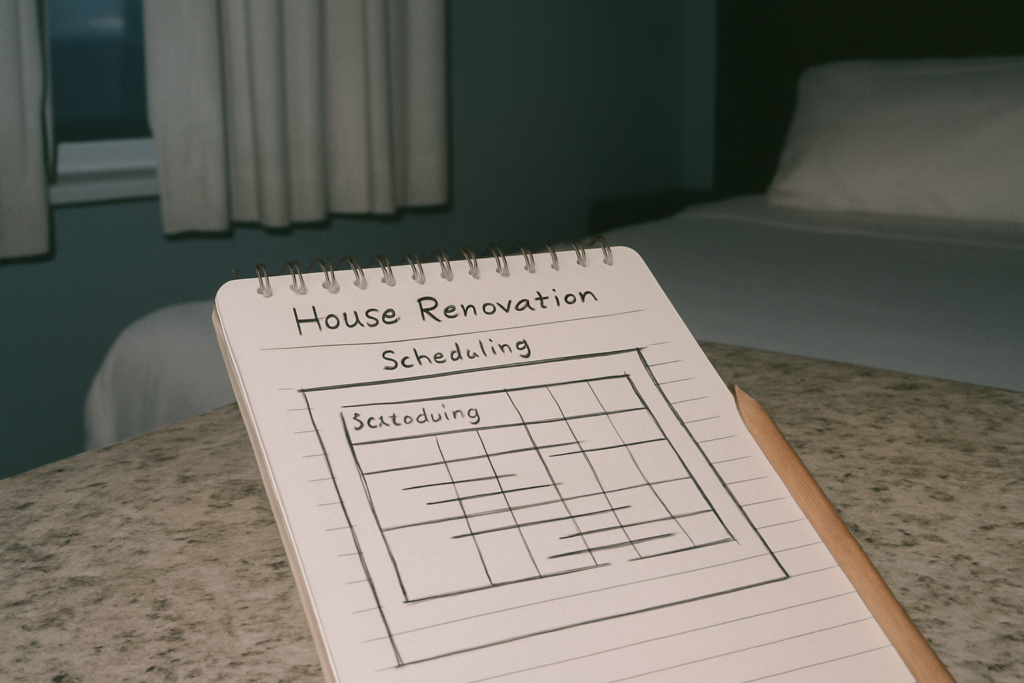
Tearing out walls might feel like progress, but skipping the prep is a fast track to trouble. Before you even pick up a sledgehammer, take the time to make a solid plan. What’s behind that drywall? Are you touching any plumbing or electrical? What’s your timeline, and what could go wrong? Mapping this out now saves you stress and money later.
Next up: permits and inspections. Yes, they’re a headache. But cutting corners on local codes can lead to fines, red tags, even forced re dos. Every city’s different, so don’t assume anything. Check with your local building department and get the paperwork right before demo day.
Then there’s the stuff you can’t see. Older homes can hide dangerous materials like asbestos insulation, lead based paint, or mold in the walls. All three can mess with your health and your budget if you don’t handle them properly. Bring in a professional if you’re unsure. A little testing now is cheaper than a disaster mid reno.
Bottom line: Don’t just swing blindly. Know exactly what you’re walking into and build safety into the plan from day one.
Protective Gear & Site Setup
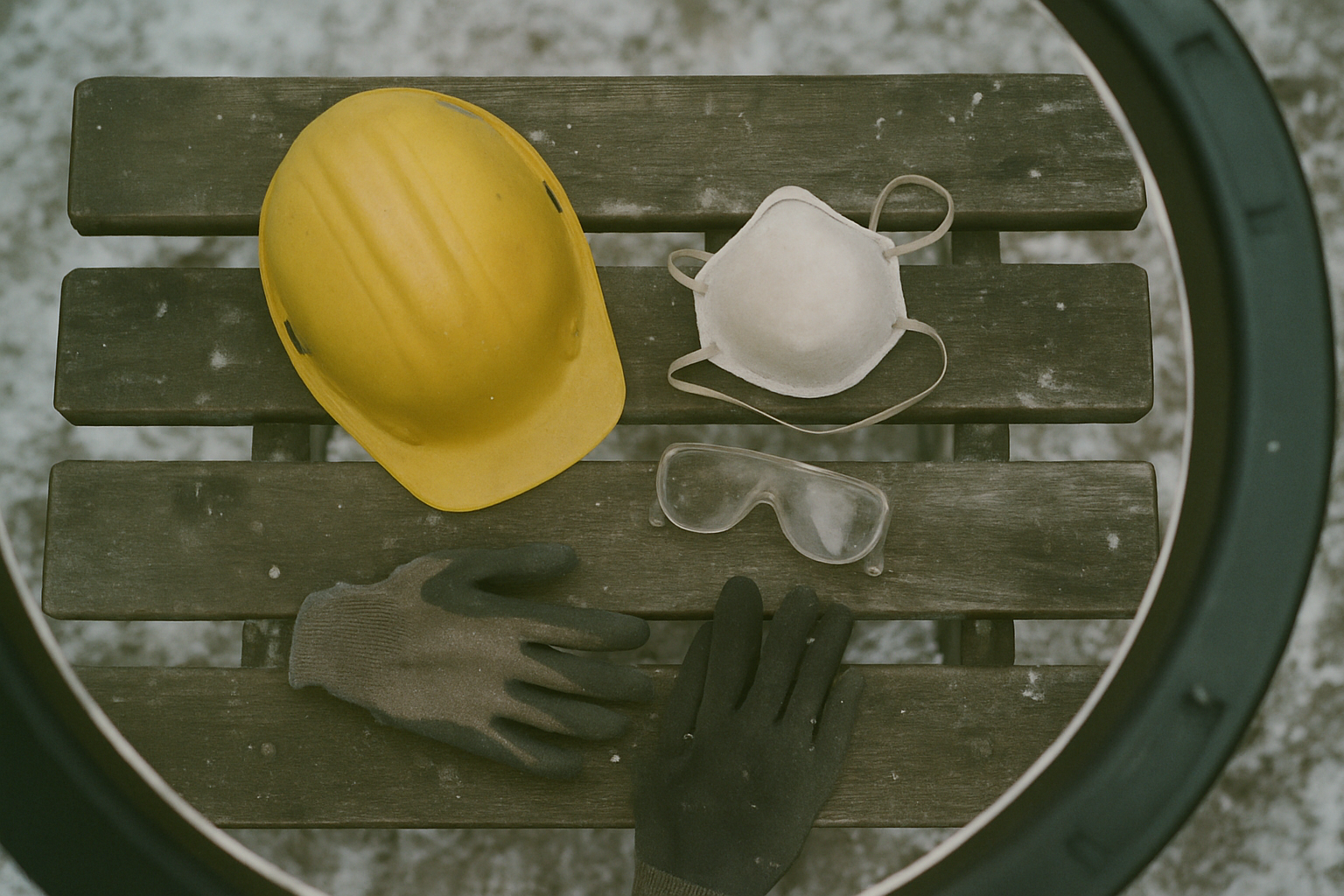
Before the first swing of a hammer, gear up. Gloves, goggles, masks, and boots aren’t overkill they’re your baseline. Renovation zones are full of sharp edges, falling debris, and airborne particles you don’t want in your lungs or eyes. Don’t treat safety gear as optional it’s what lets you keep working day after day without injury.
Next, block off the chaos. Use plastic sheeting or temporary walls to trap dust where it starts. Shut doors, tape seams, and use zipper barriers if needed. It’s not just about a cleaner workspace it keeps harmful particles from drifting into your living space.
Finally, treat your site like a job site. Post warning signs. Rope off areas where power tools are running. And above all, make it known that kids and pets do not belong near active work zones. It’s a renovation, not a playground. A few clear rules up front saves you from emergency room visits later.
Electrical and Structural Safety
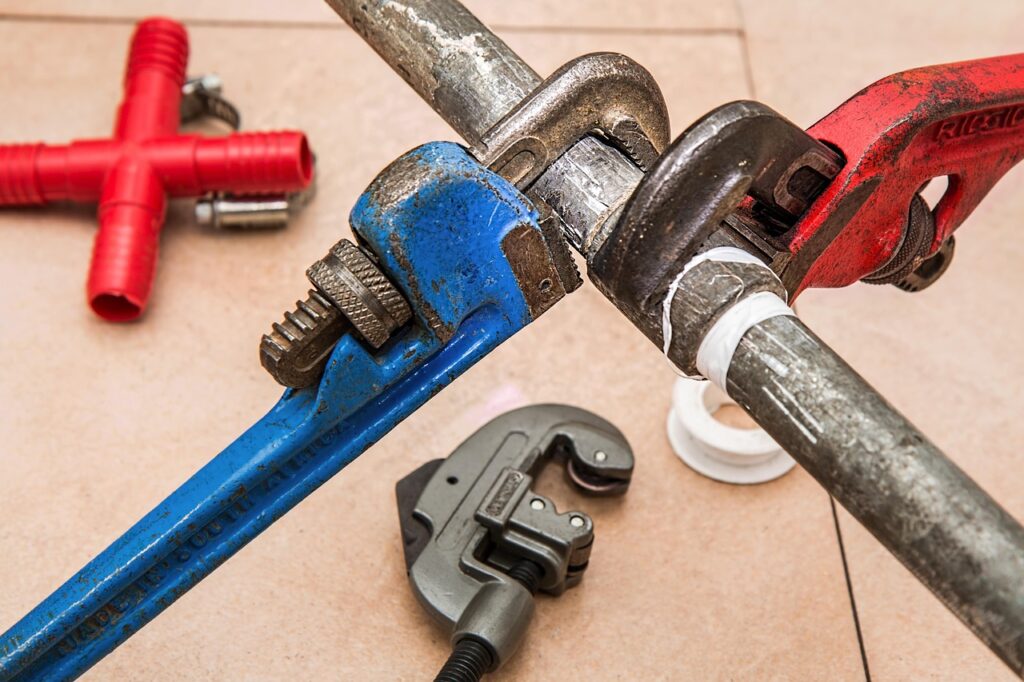
Before you take a crowbar to that wall or rip up flooring, shut off your power and water. Always. It’s one of those non negotiables. You don’t want to find out the hard way that a wire or pipe was hiding behind drywall. The damage and danger can escalate fast. Head to your main breaker panel and water shutoff valve, and get familiar with which switches control what.
Next: don’t mess with structural walls unless you know exactly what you’re doing. Knocking out a load bearing wall without reinforcing it properly can lead to sagging ceilings or worse. These walls hold weight from above, and removing them without a plan can compromise the entire building.
If you’re unsure whether a wall is load bearing, or if the electrical layout looks like a rat’s nest, call a pro. Licensed electricians and structural engineers aren’t cheap, but they know how to keep your project (and household) standing safely. The bottom line: DIY is fine until it’s not. Know where the line is.
Tools and Equipment: Use With Caution
Power tools get the job done fast but they don’t forgive mistakes. Whether it’s a circular saw, power drill, or nail gun, every tool in your arsenal comes with risk. The safest way to use them? Respect them. Start each day by inspecting your tools. Frayed cords, jammed triggers, loose parts these are how small problems become ER visits. Take 30 seconds to check before and after each use. It’s not wasted time it’s common sense.
Here’s where most people mess up: they never read the manual. Don’t assume you know how a tool works just because it has an on switch. Manuals tell you more than safety warnings. They explain torque settings, ideal materials, cleaning tips stuff that helps you finish faster and safer. Take five minutes, scan it, and you’ll save yourself a lot more later.
And then there’s handling. Use two hands when possible. Keep fingers well away from blades or drill bits. Make sure nails or screws are the right size for the job. Use guards and clamps. Don’t rush. Being confident with a tool doesn’t mean being careless. Get to know the tools, treat them right, and they’ll work with you not against you.
Living Through a Renovation? Be Extra Cautious
Renovating while living in the space isn’t easy but it’s doable, if you plan around the chaos. Start by drawing clear lines: establish temporary living zones far from the dust, noise, and sharp tools. Bedrooms and common areas should be sealed off with plastic sheeting or zip walls. If the kitchen’s down for weeks, set up a mini meal station in another room with a hot plate and cooler something functional but removed from the mess.
Air quality takes a hit during reno work, especially with sanding, painting, or anything involving demolition. Portable air purifiers help, but don’t stop there: keep windows cracked when weather allows, and always use fans to ventilate. Dust barriers matter. Change filters often.
Noise is harder to fix, but predictable hours help. Get the crew on a set schedule, and avoid running loud tools late at night or early morning. For sensitive family members or pets, it may be worth booking a few nights away during the noisiest phases (think demo day or floor refinishing).
You don’t have to pause work completely to stay safe but you do need a strategy. Communicate with contractors, carve out safe zones, and stay flexible. Chaos is part of the deal. Smart prep is how you live through it.
(See also: How to Renovate While Living in It: Top Tips for Minimizing Disruption)
Waste Disposal and Clean Up
Renovation isn’t just mess it’s risk. Paints, solvents, old wiring, and materials with mold or lead aren’t just part of the job; they’re hazards that need proper handling. Always store these materials in clearly labeled, sealed containers, kept far from heat sources or living areas. Never toss them in the regular trash check local regulations on how to dispose of them safely.
Daily cleanup isn’t optional. Leaving tools, scrap, or debris out multiplies the chance of accidents cuts, trips, respiratory issues. A quick 15 minute habit at the end of each day saves time, stress, and medical bills down the line. Don’t assume someone else will take care of it.
One more rule: keep pathways open and exits clear. If you’ve got to scramble around a pile of boards to get outside in an emergency, that’s already too late. Safe site flow isn’t glamorous, but it matters. Your renovation zone should always have clean lines of movement just in case the worst happens.
Get Everyone on the Same Page
Renovations aren’t solo missions. If your family is living in the home or you’ve hired a crew, make sure everyone’s aligned before you pick up a hammer. A short safety briefing at the start of each day can make a big difference what’s being worked on, what areas are off limits, and what hazards to watch for.
Confusion on a job site isn’t just messy it’s dangerous. Talk through the plan. Label things clearly. Keep walkie talkies or group chats open if needed. One missed message can lead to stepped on nails, damaged wiring, or worse.
And here’s a simple rule that saves headaches and injuries: if you’re unsure, stop. Take a beat. Walk the space. Ask a pro. No one ever regrets being cautious mid reno but plenty regret powering through without checking first.
 Harry Marriott – Lead Interior Stylist
Harry Marriott is Castle Shelf House’s Lead Interior Stylist, known for his keen eye for detail and expertise in modern and classic home designs. With a background in interior architecture, Harry brings innovative styling solutions to the forefront, ensuring that each home reflects a unique personality. His approach to furniture placement and design trends helps clients create harmonious living spaces that combine aesthetics with functionality.
Harry Marriott – Lead Interior Stylist
Harry Marriott is Castle Shelf House’s Lead Interior Stylist, known for his keen eye for detail and expertise in modern and classic home designs. With a background in interior architecture, Harry brings innovative styling solutions to the forefront, ensuring that each home reflects a unique personality. His approach to furniture placement and design trends helps clients create harmonious living spaces that combine aesthetics with functionality.