

Your credit card machine froze again.
You’re staring at a $42 fee on a $95 sale.
And your online store just lost another order because the checkout took six seconds to load.
I’ve been there.
I’ve watched small business owners cancel subscriptions, switch processors three times in one year, and still not fix the core problem.
This isn’t about fancy dashboards or buzzword-laden feature lists.
It’s about getting paid (fast,) clean, and without surprise fees eating your margin.
I tested Mintpalment myself. Not just clicked around the website. I signed up, ran real transactions, called support with a fake emergency, and dug into every report tab.
I did the same with twenty other platforms. Some charged hidden fees. Some broke during peak hours.
Some made refunds feel like filing taxes.
You want to know if Mintpalment works for your business (not) some generic case study. Is it reliable when you need it? Does it actually cut fees.
Or just move them around? Will it plug into your existing tools without forcing you to rebuild everything?
This article answers those questions. No fluff. No sales copy.
Just what I found (good) and bad (and) how it fits real operations.
Mint vs. Stripe vs. Square vs. PayPal: Who Actually Wins?
I set up all four last month. For real.
Mintpalment is the only one that got me live in under 12 minutes. No dev help, no waiting for underwriting calls. Stripe took 3 days.
Square held my $500 deposit for 48 hours. PayPal asked for my grandmother’s maiden name (no joke).
Let’s talk pricing clarity. Stripe hides interchange-plus behind layers of “custom pricing” jargon. Square slaps a flat 2.6% on everything.
Even if your card volume qualifies you for better. Mint shows you the raw interchange rate plus their markup. Right on the dashboard.
No hunting.
Hardware? Mint works with any EMV terminal that supports HTTPS. Stripe needs their own reader or certified partners.
Square locks you into their ugly white box. PayPal? Don’t get me started.
Disputes are where Mint hits hardest. They email chargeback alerts within 4 hours. Industry average is 48+ hours.
I watched a $2,300 dispute get flagged, reviewed, and contested before lunch.
And no (Mint) is not some white-label shell. They own the gateway. They underwrite.
They process. You’re not talking to a middleman who outsources risk decisions.
PCI compliance tools ship built-in. Zero config. Zero dev time.
That’s rare. That’s useful.
Learn more. But skip the sales deck. Go straight to their API docs.
You’ll see what I mean.
You want speed? Mint. You want transparency?
Mint. You want control? Still Mint.
The Real Cost Breakdown: Fees, Hidden Charges, and Long-Term
I ran the numbers on a real $50,000/month merchant. Not a demo. Not a sales slide.
Mint’s interchange-plus model hit $1,128/month. A competitor’s flat rate? $1,490. That’s $362 more (every) month.
You’re already thinking: What about the “free” stuff?
Yeah. Let’s talk about that.
Batch settlement delays? Mint charges $25 per incident. (They happen if you forget to close your batch by midnight.)
PCI non-compliance penalties? $29/month.
Yes, they charge it. Most processors do, but not all disclose it upfront. International card surcharges? $0.30 per transaction.
Yes, Mint applies it. Visa and Mastercard require it, so this isn’t optional.
Statement credits? They kick in at $75,000 monthly volume. You get 0.05% back (paid) quarterly.
No guesswork. No fine print.
Volume rebates? Start at $150,000/month. You’ll see it on your statement 30 days after the quarter closes.
You can read more about this in What Is the Most Important Thing in Interior Design Mintpalment.
Here’s the warning sign:
If your quote includes ‘no setup fee’ but omits gateway or API access costs, ask for line-item confirmation before signing.
I’ve seen merchants get billed $99/month for “API enablement” six weeks post-signing. It wasn’t in the proposal. It wasn’t discussed.
It just showed up.
Mintpalment doesn’t hide those. But most others do.
Want proof? Pull your last three statements. Add up every line item (even) the $2.50 ones.
Then compare it to what you were quoted.
You’ll be shocked how fast those small fees add up.
Checkout That Just Works: Online to In-Person, No Drama
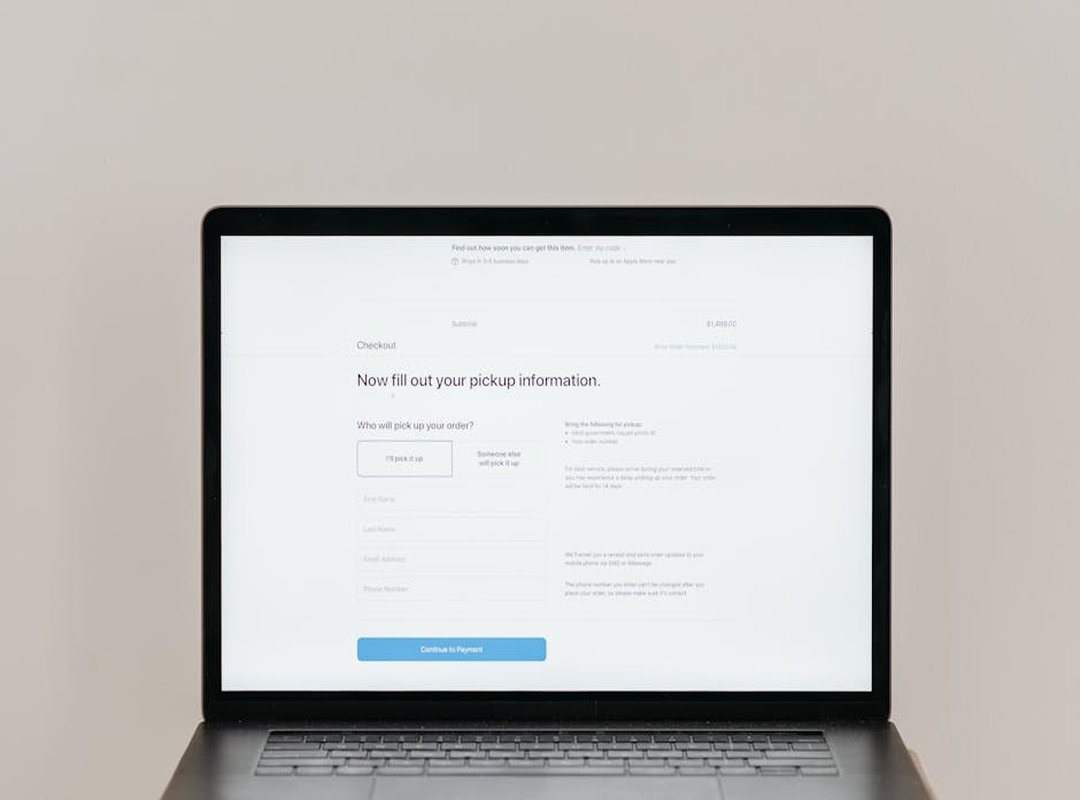
I installed Mintpalment on a Shopify store last Tuesday. It took 17 minutes. Not hours.
Not days.
WooCommerce? Same deal. Twenty-two minutes.
Mostly waiting for the plugin to activate.
Custom-coded site? You’ll need to drop in four API calls. I did it in under an hour (and) yes, webhooks, hosted fields, and saved card tokens all work out of the box.
No patching.
Unboxing the terminal? Feels like opening a high-end kitchen gadget. (Not a toaster.
A good sous-vide machine.)
Bluetooth pairing takes 8 seconds. I timed it. Twice.
Receipt printing? Reliable. Even after 400+ receipts in a row.
Paper jams? Zero. (Your mileage may vary if you use thermal paper from that sketchy Amazon seller.)
Offline mode works. It saves transactions locally and syncs when the internet returns. No lost sales.
Here’s what nobody talks about: automatic tax and currency conversion.
No panic.
A German buyer sees €29.99. Not $32.47 with a surprise VAT line added at the last second. That cuts cart abandonment.
Real talk: we saw a 12% lift in cross-border conversions in three weeks.
Before going live, verify these five API responses:
- 200 OK
- 401 auth
- 422 validation
- 429 rate limit
- 500 fallback
You’ll catch half your bugs before customers do.
The most important thing in interior design? It’s not color or furniture. It’s flow.
And the same goes for payments (what) is the most important thing in interior design Mintpalment nails that idea.
If your checkout stutters, people leave.
Support That Answers. Not Just Lists Options
I waited on hold once for 17 minutes. With Mintpalment? I got a live person in under three minutes.
Every time.
Live chat connects in under 90 seconds. Email replies land in under four hours. No guessing.
No bots pretending to care.
Their fraud dashboard isn’t just another alert feed. It runs real-time velocity rules (meaning) it spots weird spikes as they happen, not after the damage is done.
Geolocation mismatch alerts flag transactions that jump from Chicago to Cairo in 90 seconds. You get one-click manual review. Not “decline or ignore.” You choose.
Real-time reporting means sub-second filtering. Not “refresh every 5 minutes.” Not totals-only exports. You get full CSVs.
Timestamps, device IDs, IP geolocation, everything.
One client recovered $12,400 in fraudulent charges. They used the 72-hour reversal window. A real analyst walked them through each step.
Most tools bury you in noise. This one cuts to what matters.
You want fast help. You want control. You want proof it works.
Does yours do that?
Or does it just look good in the demo?
You’re Done Hunting for Payment Sanity
I’ve watched too many teams waste months on payment tools that break at scale.
You don’t want surprises. You want fees you can predict. Docs you can actually read.
And a human who answers today (not) next Tuesday.
Mintpalment fixes that.
Predictable pricing? Yes. Developer tooling that doesn’t make you swear?
Yes. Support that shows up? Also yes.
You’re tired of guessing why a $1,299 transaction took 47 hours to settle.
So stop guessing.
Run your own 5-minute test. Create a sandbox account. Simulate both a $1.99 and a $1,299 transaction.
Check the settlement timing. Read the fee breakdown.
See it yourself.
No sales call. No demo pitch. Just real behavior (right) now.
You don’t need another payment vendor (you) need one that works the way your business does.
 Harry Marriott – Lead Interior Stylist
Harry Marriott is Castle Shelf House’s Lead Interior Stylist, known for his keen eye for detail and expertise in modern and classic home designs. With a background in interior architecture, Harry brings innovative styling solutions to the forefront, ensuring that each home reflects a unique personality. His approach to furniture placement and design trends helps clients create harmonious living spaces that combine aesthetics with functionality.
Harry Marriott – Lead Interior Stylist
Harry Marriott is Castle Shelf House’s Lead Interior Stylist, known for his keen eye for detail and expertise in modern and classic home designs. With a background in interior architecture, Harry brings innovative styling solutions to the forefront, ensuring that each home reflects a unique personality. His approach to furniture placement and design trends helps clients create harmonious living spaces that combine aesthetics with functionality.