Color Turns Statement: Bold is (Still) In
2026 isn’t backing down from drama at the curb. Deep, saturated tones like charcoal black, forest green, and classic navy are no longer niche they’re now leading the charge for homeowners who want their exteriors to stand tall. These aren’t just colors they’re statements that read confident and rooted, especially on clean lined architecture or rugged natural backdrops.
Matte finishes are also having a moment. Skip the high shine gloss and you get more sophistication with less maintenance. Matte exteriors absorb light instead of reflecting it, giving homes that high end, architectural feel without shouting for attention.
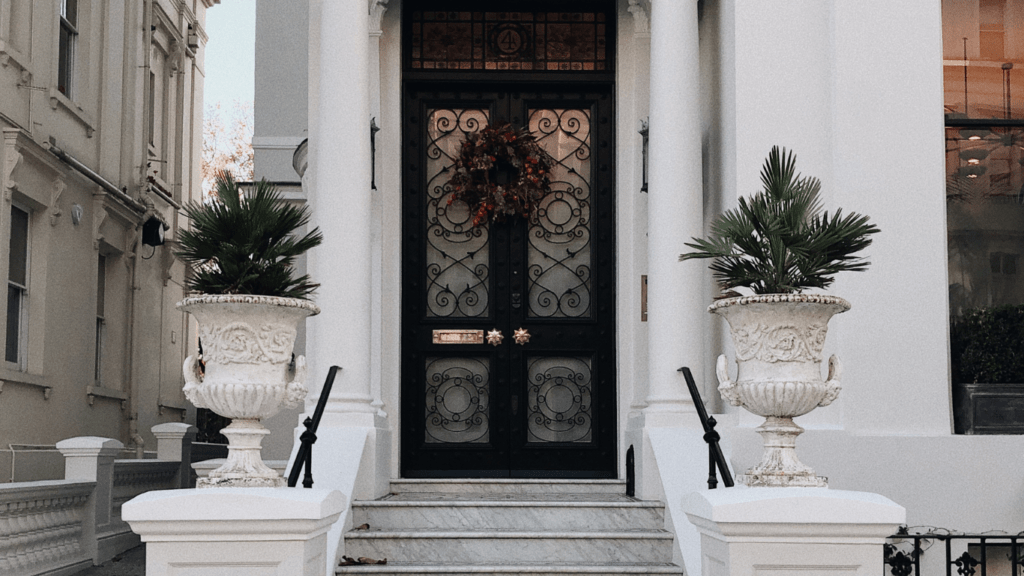
Then there’s the contrast factor. To offset those dark bases, homeowners are flipping the script on trim. Lighter, brighter, sometimes borderline neon tones are making entrances stand out and rooflines pop. It’s edited, intentional contrast and it’s one of the fastest ways to elevate a standard facade into something sharp and directional.
Natural Palettes, Reimagined
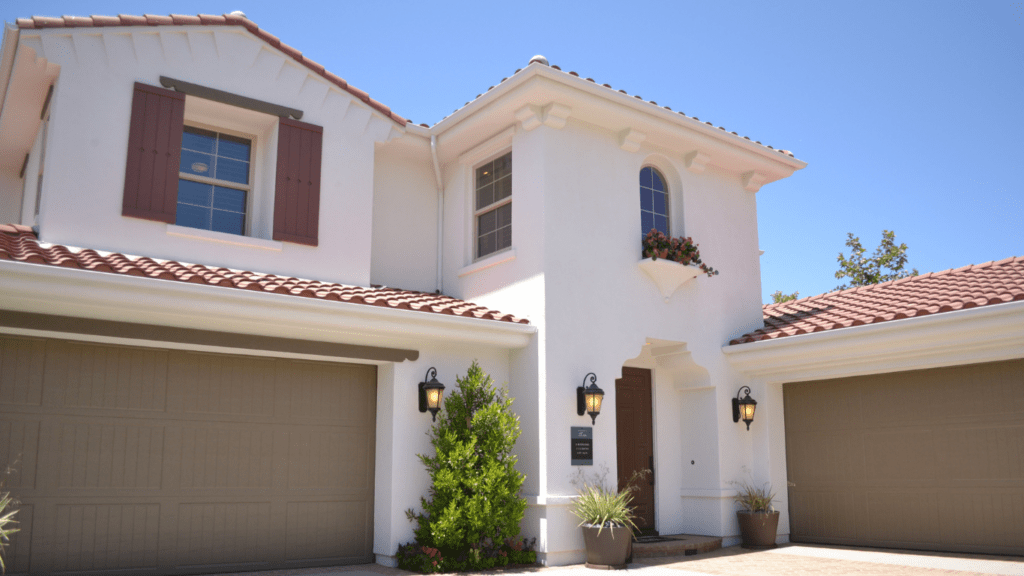
Color is going natural but not in a tired, neutral way. Earth tones are showing up with a fresh 2026 twist: bolder, more nuanced, and grounded in texture. Think clay reds with a touch of terracotta heat, dusty mushroom taupe that shifts subtly with light, and sage greens that lean chalky instead of saturated. These aren’t background shades they’re intentional, lived in, and warm.
Texture plays a big role too. Gone are the days of overly rustic wood on wood facades. Now it’s about balance organic materials like stone or raw stucco paired with clean, architectural paint lines. The result? A look that feels handbuilt, but sharp. Rustic, with discipline.
Warm whites are also earning their place back on the palette. But not the sterile kind these whites come with undertones of copper, sand, or even a whisper of blush. They’re soft, but carry just enough character to keep things interesting. It’s quiet confidence, not blank canvas.
Sustainability Meets Aesthetics
It’s not a bonus anymore it’s the baseline. Low VOC and non toxic formulas have gone from niche to norm, and any exterior paint still off gassing toxins in 2026 is already outdated. Homeowners aren’t just asking if a paint is safe they’re asking what’s in it, how it holds up, and where it came from.
Eco conscious pigments are stepping up. Mineral rich blends and naturally derived hues are replacing chemical heavy colors. These paints don’t just perform they age well, stay true, and don’t compromise on tone or vibrancy. It’s a shift toward finishes that work with the environment rather than against it.
Climate durability is the other non negotiable. Brands are responding with coatings that resist UV breakdown, mold, and weather fade designed to handle heatwaves and blizzards without flaking out. It’s a cleaner supply chain backed by a tougher product. With homeowners more climate aware than ever, long term performance now matters just as much as first impressions.
The Neighborhood Effect

Exterior color has gone local. Really local. In 2026, the most eye catching homes don’t just chase national trends they tap into the micro aesthetics of their street, block, or HOA district. Regional palettes are getting tighter, more defined, and more expressive. What works in coastal Maine doesn’t always fly in desert Arizona. Homeowners are paying attention.
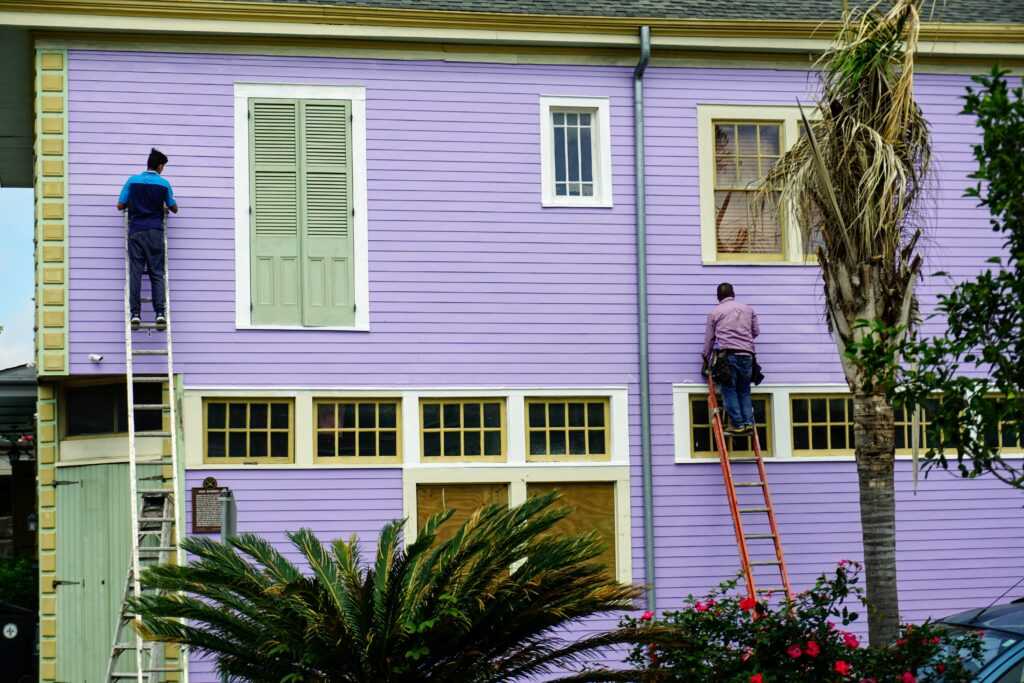
But there’s a line to toe. People want to stand out without ticking off their neighbors or their HOA. That’s why we’re seeing this quiet design rebellion: muted chartreuse doors where beige used to live, navy exteriors with soft pink trim that sneak past regulations. The smart play is contrast that doesn’t scream, details that hold up under second glances.
At the end of the day, it’s about modernizing within the guardrails. Color choices are still subtle enough to keep peace on the cul de sac, but bold enough to say: I see what’s happening out there and I made it mine. It’s personal, local, and purposefully restrained.
Influences from the 2024 Explosion
Back in 2024, exterior paint took a fearless turn. Homeowners ditched beige safety nets and leaned into high drama tones midnight blues, vivid terra cottas, and even deep eggplant purples. Trim didn’t just complement; it challenged, often with stark whites or experimental hues like ochre or electric mint. Finish mattered too matte took the lead, turning average homes into modern statements at curb level.
Fast forward to 2026, and those bold swipes are getting an upgrade. The colors are still strong, but the edges are softer. That electric mint? It’s now a muted seafoam. Midnight blue stays, but with a warmer undertone. Basically, the rebellion of 2024 got refined. Call it confident, not loud.
Some shades just wouldn’t go quietly and for good reason. Forest green keeps popping up for its versatility and strong tie to nature. Warm off whites with subtle pink or gold undertones have also stuck around. They add warmth without going full color, and work well across styles. All this to say: the paint fads of 2024 weren’t just noise. They set a foundation. Now, in 2026, we’re seeing which ones earned their place.
Smart Paint: Yes, It’s a Thing
Paint isn’t just about color anymore. It’s getting smarter more functional, more responsive, and way more interactive.
Thermochromic paints are stepping out of the lab and onto residential exteriors. These coatings shift color depending on temperature or direct sunlight. That means your home’s look can subtly transform across the day or seasons no repainting needed. Some early adopters are using them to highlight architecture or simply enjoy a little color play.
Then there’s the rise of self cleaning, algae resistant paints. These formulas aren’t new to commercial buildings, but they’re finally catching on with homeowners who are done scrubbing mildew every spring. Built for rain, sun, frost, and grime, these coatings reduce upkeep and keep facades looking fresh longer.
And before anything hits the wall, connected apps are letting painters and homeowners test drive trends digitally. Upload a pic, drop in a new hue, and see how it plays on your actual house. It’s more accurate than a swatch and a solid step forward in reducing regret (and wasted gallons).
Smart paint is no longer a gimmick it’s giving people real world advantages, from curb appeal shifts to time saved on maintenance.
Final Takeaways for Homeowners
Paint trends come and go, but your house stays put. If you’re painting with resale in mind, stick to bolder shades that still have broad appeal deep greens, muted navy, warm off white. These tones photograph well, don’t scare off buyers, and add personality without tipping into gimmick. That said, don’t let resale become a creativity kill switch. Personality moves homes, too.
Also, match the paint to your home’s bones. A Colonial doesn’t need to pretend it’s a California bungalow. Mid century homes can flex bold contrast or earthy warmth. Farmhouse? It can lean clean and creamy or dive into modern with charcoal and soft moss. Trends are tools, not templates.
Whatever you pick, always test swatches outdoors. Interior lighting and store bulbs lie. Natural daylight brings the truth undertones, warmth, and how a color handles shadows. Tape up three contenders, live with them for a weekend, and let the sun help you decide.
For more on where this started, revisit 2024 paint trends.
 Betsylie Sheetsin – Home Renovation Expert
Betsylie Sheetsin serves as the Home Renovation Expert at Castle Shelf House, specializing in giving practical advice for both small and large-scale home improvements. With years of experience in construction and renovation, Betsylie understands the importance of blending durability with design. Her insights into home renovation projects, along with expert advice on the latest materials and techniques, empower homeowners to tackle even the most ambitious projects confidently.
Betsylie Sheetsin – Home Renovation Expert
Betsylie Sheetsin serves as the Home Renovation Expert at Castle Shelf House, specializing in giving practical advice for both small and large-scale home improvements. With years of experience in construction and renovation, Betsylie understands the importance of blending durability with design. Her insights into home renovation projects, along with expert advice on the latest materials and techniques, empower homeowners to tackle even the most ambitious projects confidently.