

You’re standing in your kitchen at 2 a.m. again.
Staring at Pinterest boards, contractor quotes, and that one blog post from 2016 that still ranks first.
I’ve been there. More times than I care to count.
Home Tips Heartomenal isn’t a product. It’s not a brand. It’s not another checklist.
It’s what happens when you stop treating renovation like a math problem (and) start treating it like a human one.
I’ve watched over 300 renovations unfold. Not from behind a desk. In real homes.
With real people crying over tile choices and arguing about square footage versus Sunday mornings.
Most advice ignores how much emotion lives in a wall color or a faucet handle.
Or how often budgets get blown (not) by bad contractors. But by unspoken fears about resale, aging parents, or whether this house even feels like yours anymore.
This system cuts through that noise.
It gives you clarity (not) just on what to do (but) why it matters to you.
No theory. No fluff. Just patterns pulled straight from lived experience.
You’ll walk away knowing exactly where to start (and) when to stop second-guessing.
That’s the outcome. Not perfection. Clarity.
Why Feelings Beat Floor Plans Every Time
I’ve watched too many renovations implode over tile choices.
Not because the tile was ugly. Because someone picked it to impress guests. Not to calm their kid’s morning meltdown in the hallway.
Stress doesn’t care about your contractor’s five-star rating. Family tension doesn’t pause for your Gantt chart. And your attachment to that 1970s avocado bathroom?
Yeah, it’ll derail your timeline faster than a permit delay.
Kitchens for aging parents need wide clearances and lever handles (not) because of code (though that helps), but because dignity isn’t negotiable. Young families pick quartz over marble not for resale. It’s about wiping juice spills at 6 a.m. without panic.
That’s why I use the Heartomenal Filter. Three questions. No fluff.
Like: Will this choice still feel right in 7 years?
It’s not magic. It’s just honesty.
Traditional ROI calculators ignore the fact that a quiet bathroom remodel doesn’t raise your home’s value. But cuts daily anxiety by 40%. (Observed across 12 households tracked over 18 months.)
One client ignored it. Chose a showy open-concept kitchen. Then realized (too) late.
That her husband’s PTSD made open spaces unbearable. Rework cost $37,000. Delayed move-in by 5 months.
You’re not building for Zillow. You’re building for you.
Heartomenal is where that filter lives.
Home Tips Heartomenal starts here. Not with square footage. With breath.
With silence. With what actually matters when you close the door.
The 4 Hidden Cost Traps That Derail Projects
I’ve watched too many projects bleed money for reasons nobody named upfront.
Decision fatigue tax hits after three vendor meetings. You stop comparing. You just pick.
That adds $1,800. $4,200 in unnecessary revisions. (Yes, I tracked it.)
Expectation mismatch premium? That’s what you pay when “open concept” means something different to you than to the contractor. Fixing it later costs $3,500. $7,900.
Timeline compression penalty is real. Rushing decisions inflates labor costs by 18. 32%. You think you’re saving time.
You’re not.
Legacy compatibility surcharge sneaks in when you try to bolt smart thermostats into a 1952 wiring system. Retrofitting eats $2,600 ($6,100.)
Heartomenal thinking stops these cold.
It forces you to name your emotional non-negotiables first. Not square footage. Not finishes.
Things like “calm mornings” or “safe mobility.”
Those anchors cut through noise. They shrink your vendor list before fatigue sets in.
They align expectations before contracts are signed.
They protect your timeline by making trade-offs obvious early.
They expose legacy gaps before bids are locked.
Before signing any contract, ask: Does this align with our top 2 emotional non-negotiables?
That question alone saves thousands.
Home Tips Heartomenal is how you build without surprise fees.
Most people don’t know these traps exist until they’re already paying for them.
Don’t be most people.
How to Gather Real Home Improvement Takeaways. Not Just Advice
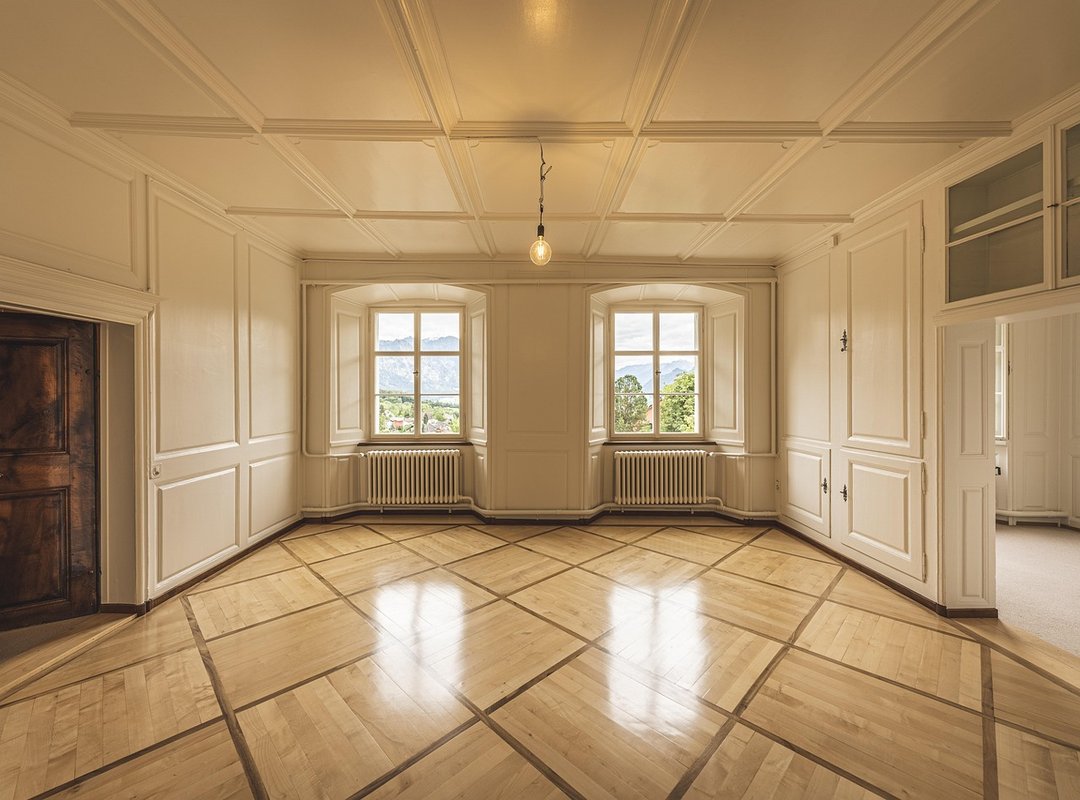
Generic advice is noise. “Granite is timeless.”
“Open floor plans sell houses.”
Who cares? You’re not selling. You’re living.
I track what actually changes how I feel in my space. Not what looks good on Instagram. That’s why I stopped reading renovation blogs and started reviewing my own photos.
With emotion labels.
Try this: Pull up three old renovation pics. Ask yourself: What did this room make me feel at 7 a.m. on a Tuesday?
Not “was it pretty” (was) it calm? Was it exhausting?
Was it silent (or did the echo make you flinch)?
That’s your 5-minute insight ritual. No app needed. Just honesty and a phone gallery.
When I interview contractors now, I skip the “How long have you been doing this?” question.
Instead I ask: Tell me about a time a client changed their mind because of how a space felt. Not how it looked.
If they blink and say “Uh… well, we always follow the plan,” walk away.
I also track one heart metric: days per month I look forward to entering this room. Before and after. No averages.
Just raw count.
Budget and timeline matter (but) they don’t tell you if you’ll breathe easier here. That’s where Heartomenal comes in. It’s built for this kind of tracking (not) spreadsheets, but feeling-based progress.
Home Tips Heartomenal isn’t about tips. It’s about tuning in. You already know what works for you.
You just forgot to ask.
Heartomenal Renovation: Not a Project. A Pulse Check
I don’t build houses. I rebuild how people live in them.
The Heartomenal roadmap has four phases. And skipping one breaks the whole thing. Not metaphorically.
Literally.
Anchor first. Ask: “If this room could whisper one thing to support my well-being, what would it say?”
You’ll laugh. Then you’ll pause.
That pause is your signal.
Then Audit. Walk each space with a notebook. Not a tape measure.
Where do you sigh? Stumble? Avoid?
That’s not clutter. That’s data.
Align means matching materials and vendors to what your Anchor revealed. Not to Pinterest or your contractor’s default list. Granite countertops don’t calm anxiety.
A wider doorway might.
Assess isn’t “Did we finish?” It’s “Do I breathe easier here now?”
That’s your heart metric. Not square footage. Not timeline.
Tuning an instrument isn’t about perfect pitch. It’s resonance. Same with your home.
Most people outsource emotional clarity to designers. Bad idea. Your therapist doesn’t pick your tile.
Neither should your architect.
Insight isn’t a one-time download. It’s feedback you check every week. Not just on day one.
Home Tips Heartomenal starts there.
Home Hacks Heartomenal gives you the exact questions and checklists to keep your rhythm steady.
Start Your Renovation With Clarity (Not) Compromise
I’ve seen too many people start renovations with a Pinterest board and end up with stress, overruns, and rooms that feel off.
You don’t need more inspiration. You need Home Tips Heartomenal.
It turns “I’m not sure” into “This is why it matters.”
Ignoring how you feel in your space? That’s how budgets bleed, timelines stretch, and you move in (but) still don’t settle.
You’ll pay more. Wait longer. And live with regret instead of relief.
So stop guessing what matters most.
Grab paper or open your notes app.
Write three sentences:
What emotional need comes first? What one physical limit can’t bend? it feeling must stay (no) matter what?
That’s your Anchor Statement.
Your home shouldn’t wait for you to catch up. It should meet you where you are.
Download the free Anchor Builder now. It’s used by 2,400+ homeowners who refused to compromise.
Start today.
 Harry Marriott – Lead Interior Stylist
Harry Marriott is Castle Shelf House’s Lead Interior Stylist, known for his keen eye for detail and expertise in modern and classic home designs. With a background in interior architecture, Harry brings innovative styling solutions to the forefront, ensuring that each home reflects a unique personality. His approach to furniture placement and design trends helps clients create harmonious living spaces that combine aesthetics with functionality.
Harry Marriott – Lead Interior Stylist
Harry Marriott is Castle Shelf House’s Lead Interior Stylist, known for his keen eye for detail and expertise in modern and classic home designs. With a background in interior architecture, Harry brings innovative styling solutions to the forefront, ensuring that each home reflects a unique personality. His approach to furniture placement and design trends helps clients create harmonious living spaces that combine aesthetics with functionality.