Smart Efficiency is the Standard Now
Energy saving appliances aren’t a bonus feature anymore they’re the baseline. If your fridge or washer doesn’t aggressively cut power usage, it’s already behind. Shoppers expect real efficiency baked in, not just a sticker that says so. Engineers are responding, not just to environmental pressure, but because the market demands it.
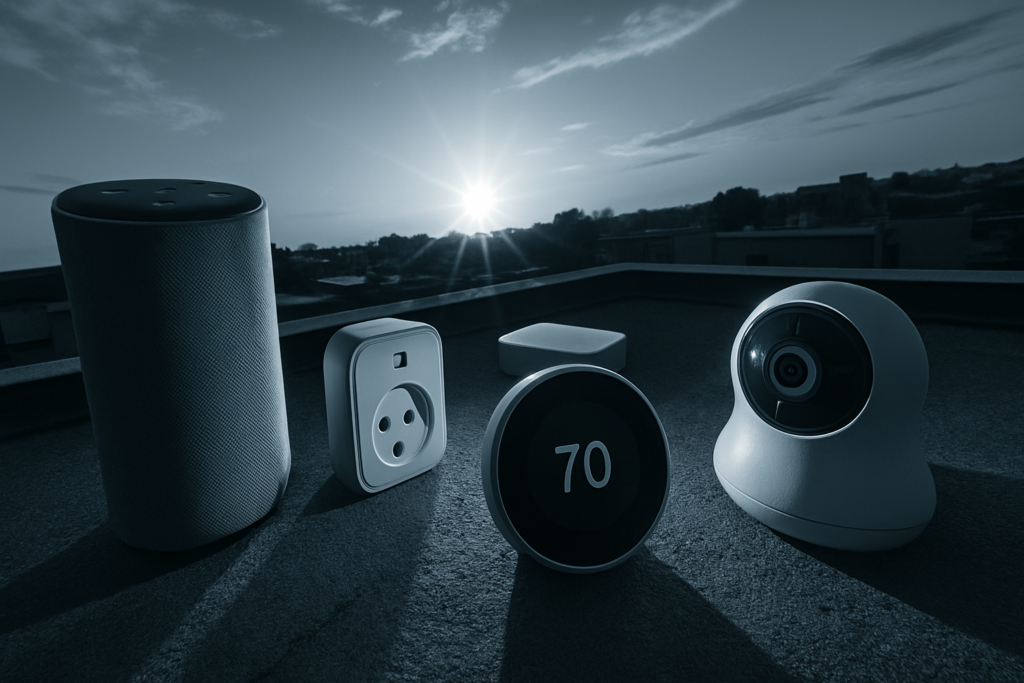
Just as important: connectivity is no longer optional. New releases are built to work with Alexa, Google Home, or both, out of the box. Whether it’s voice commands, app control, or syncing with routines, smart compatibility is non negotiable. It’s part of how people manage their lives now.
The design front is evolving too. Big and bulky is out. Brands are tightening the screws on form factor lean profiles, whisper quiet motors, and appliances that disappear into open plan aesthetics. Smaller homes and micro apartments are also driving this trend. Even high performance units are being reworked to fit less, do more, and stay out of the way.
Innovations Shaping 2026 Models

Appliances in 2026 aren’t just smarter they’re finally starting to feel truly helpful. Leading the wave are AI powered refrigerators that take stock of your groceries for you. They track expiration dates, nudge you when you’re low on staples, and even adjust internal zones based on what’s inside. Cold brew in the back? It gets a custom shelf temp. Leftovers? The fridge knows how fast they’ll turn.
Washers and dryers have also leveled up. Thanks to fabric specific sensors, these machines now tweak water, heat, and spin cycles based on what you’re cleaning no more guessing with those “delicate” or “bulky” loads. Clothes last longer, and laundry mishaps become a lot less common.
Dishwashers got faster and cleaner. Full load sanitization now takes under 30 minutes thanks to advanced spray mapping and heat control algorithms. It’s not just quicker it’s thorough, hitting hygiene levels that used to come from hospital grade equipment.
Then there are the air purifiers. These aren’t just about clean air anymore. They’re multitaskers balancing humidity levels and giving off ambient light that matches your mood or time of day. Form meets function here, and for once, we’re getting both.
Kitchen Essentials
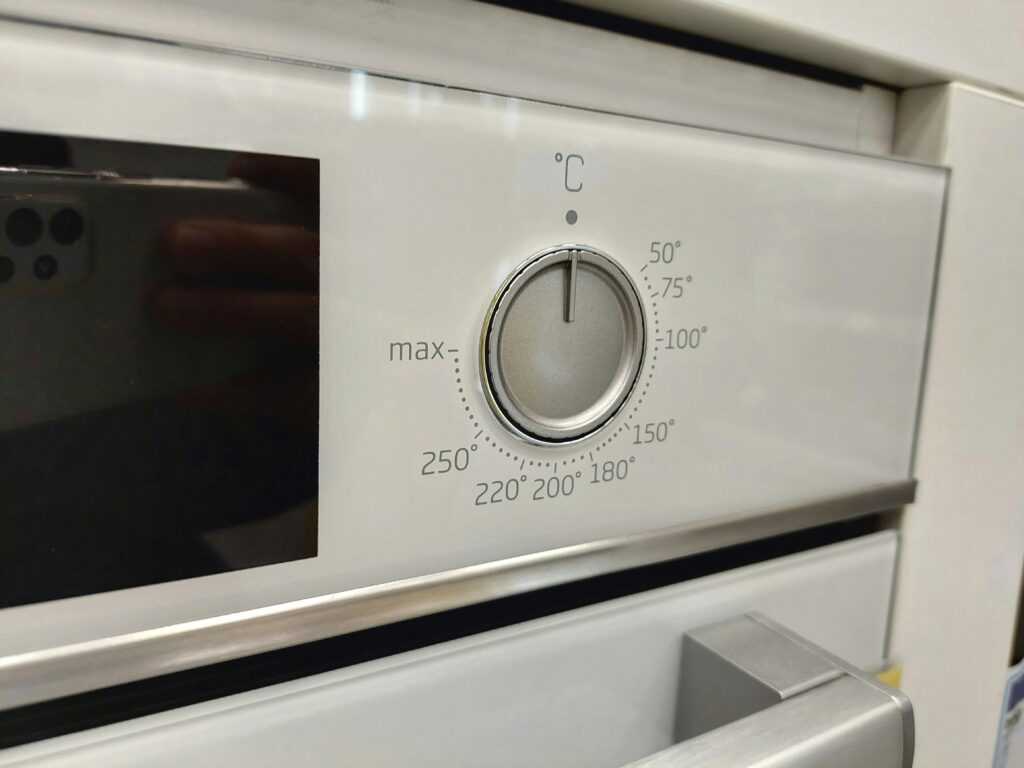
In 2026, your kitchen doesn’t just cook it thinks. Smart ovens now come loaded with built in air fryers, touchless controls, and voice integration that actually works. Forget preheating manually your oven starts itself when it sees dinner on the schedule. Bonus: some models even adjust cook times based on what’s inside.
Induction cooktops have leveled up too. The new adaptive heat zones sense pan size and shift energy zones to match. That means faster heat ups, fewer hot spots, and better control with less waste. It’s efficient and feels like cooking with intent.
Coffee stations are also trending smaller, but smarter. Compact doesn’t mean basic anymore. Today’s brewers offer barista level customization without crowding the counter think foam control, brew strength sliders, and built in grinders. If you love your morning ritual, prepare to upgrade it.
These kitchen upgrades aren’t about luxury they’re about speed, precision, and staying in rhythm with your day.
What Makes an Appliance “Worth It” in 2026
Let’s be real if you’re dropping serious cash on a new appliance, you want it to last. Start by checking the build lifespan. Models rated for 10 years or more, especially those that offer modular parts you can swap or upgrade, are your best bet. Repairs shouldn’t require a PhD or a full replacement.
Don’t overlook software support either. Many appliances now run on firmware and cloud based systems, so make sure the brand is offering regular updates and remote diagnostics not just selling shiny boxes. It’s not worth investing in something that’s digitally obsolete in two years.
Energy use matters too, both for your wallet and the grid. Energy Star is a good starting point, but dig deeper. Look for actual kWh usage in real conditions, not just lab perfect test results. Bottom line: the best appliances in 2026 are smart, sturdy, and stingy with energy.
Final Choice Checklist
Before making a big ticket purchase, it’s worth asking a few key questions to make sure your new appliance truly fits your needs not just today, but years from now.
Solve a Real Pain Point
Not every new feature is necessary. What matters most is whether the appliance addresses something that genuinely slows you down, causes discomfort, or creates inefficiency in your daily routine.
Does the appliance simplify a time consuming task?
Will it reduce manual effort, improve health, or enhance your home’s functionality?
Are you buying it because it’s trendy or because it solves something real?
Upgrade or Just Replace?
A true upgrade should add long term value, not just look new.
Does it offer performance improvement over your current model?
Are the smart features useful or just gimmicks?
Can it integrate with your home ecosystem better than what you already have?
If it’s merely replacing a similar device without bringing added benefits, you might want to hold off.
The Longevity Check
Durability is more than hardware it’s about support and service continuity.
Does the manufacturer provide updates, warranties, and repair options?
Are parts and software expected to be supported for at least three years?
Will it play well with voice assistants and ecosystem apps over time?
An appliance with limited future proofing can quickly become obsolete.
Need help matching features to your lifestyle? Check out this detailed guide with expert home appliance reviews.
 Harry Marriott – Lead Interior Stylist
Harry Marriott is Castle Shelf House’s Lead Interior Stylist, known for his keen eye for detail and expertise in modern and classic home designs. With a background in interior architecture, Harry brings innovative styling solutions to the forefront, ensuring that each home reflects a unique personality. His approach to furniture placement and design trends helps clients create harmonious living spaces that combine aesthetics with functionality.
Harry Marriott – Lead Interior Stylist
Harry Marriott is Castle Shelf House’s Lead Interior Stylist, known for his keen eye for detail and expertise in modern and classic home designs. With a background in interior architecture, Harry brings innovative styling solutions to the forefront, ensuring that each home reflects a unique personality. His approach to furniture placement and design trends helps clients create harmonious living spaces that combine aesthetics with functionality.