Choose Materials That Last
Eco conscious design starts with the bones. Cheap materials might look sharp in the short term, but they wear out fast and end up in landfills. The smarter move? Focus on resilient, long life materials like bamboo, reclaimed wood, or recycled metal. They’re strong, they age well, and they carry a smaller environmental footprint from day one.
Air quality matters too. Swapping out harsh chemical finishes for low VOC paints and natural oils makes your home healthier to live in not just prettier to look at. These finishes don’t off gas the way conventional products do, which means your air stays cleaner for longer.
And skip the fast furniture. Trendy pieces built for mass turnover rarely hold up over time. Better to invest in timeless, well made furniture that serves you for years without falling apart at the joints. Classic doesn’t mean boring it means built to last.
Go Vintage or Pre Loved
Discover One of a Kind Pieces
Thrift stores, estate sales, and online marketplaces are treasure troves for those who value sustainability and style. These sources are ideal for finding character rich furniture and decor that tell their own stories and don’t resemble mass produced trends.
Explore thrift shops for affordable, unique finds
Visit estate sales for timeless classics, often well preserved
Browse online marketplaces to uncover hidden gems
Reduce Waste and Mass Consumption
Buying secondhand isn’t just economical it’s a powerful way to limit your environmental footprint. Each vintage purchase helps reduce the demand for newly manufactured goods, which often contribute to resource depletion and industrial waste.
Diverts usable items from landfills
Slows down fast furniture cycles and overproduction
Supports a circular economy mindset
Higher Quality That Lasts
Many vintage pieces are made from solid wood, metal, and other durable materials in contrast to much of today’s disposable furniture. These pieces were built to last and often feature craftsmanship that’s hard to find in mass market options.
Solid construction and timeless design
Often made with superior materials and attention to detail
Ideal investment for both sustainability and longevity
Opt for Natural Fibers
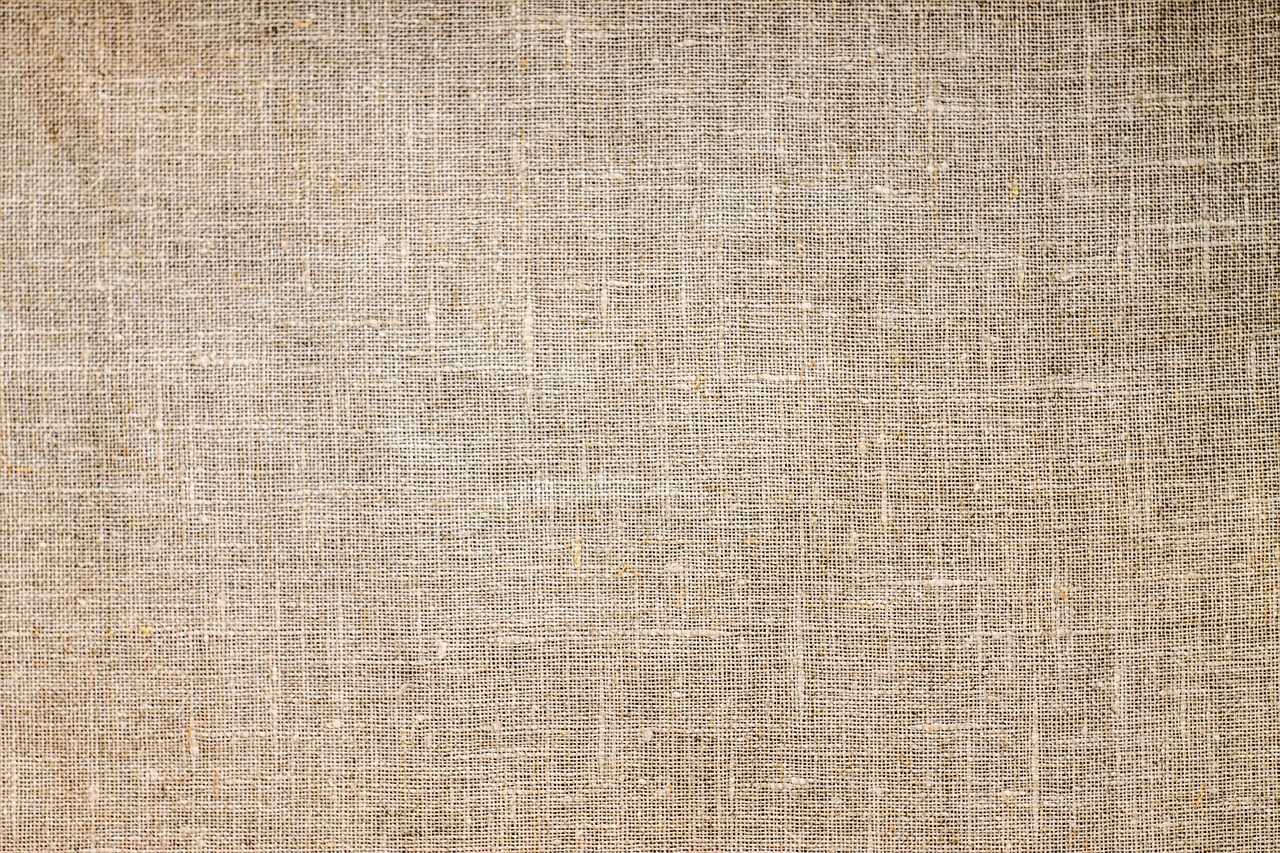
Synthetic fabrics may be cheap and available everywhere, but they come at a cost both environmental and tactile. Choosing natural fibers like organic cotton, wool, jute, or hemp isn’t just better for the planet, it’s better for your home. These materials are biodegradable, renewable, and far less likely to shed microplastics into the air or water.
They also feel different, and that matters. Natural fibers bring a softness and weight that synthetic blends can’t replicate. Think of a chunky wool rug in winter or woven hemp curtains filtering sun in the summer there’s a grounded, human quality to them. If you’re aiming for a space that’s cozy without being cluttered, these are your go to textures.
Avoid polyester heavy upholstery or anything billed as ‘stain resistant’ via a long list of chemicals. They’re a recycling nightmare and often break down into pollutants. Better to go natural, lean on quality, and let your home breathe.
Energy Efficiency Can Be Beautiful
Sustainability doesn’t have to be stark. A well designed, energy efficient home can still feel warm and inviting if you do it right. Start by layering your lighting. LEDs are the baseline now, but it’s how you use them that makes the difference. Smart systems let you dim and time your lights to reduce waste. Mix in local light sources like wall sconces or focused task lamps to target specific zones without flooding the whole space.
Next, use daylight to your advantage. Place mirrors strategically to bounce light deeper into the room. Avoid bulky window treatments that block natural light. Even floor shifts or brighter wall colors can guide sunlight and reduce your need for artificial lighting.
Finally, think insulation. Heavy curtains, plush rugs, and thoughtful material choices do more than cozy up a space they help stabilize temperature and lower energy use. Smart design means letting the building work with the climate, not against it.
Minimize & Personalize
Creating a sustainable home doesn’t mean living in a blank, characterless space. In fact, embracing a more minimalist design allows both your style and your values to shine more clearly without the clutter.
Intentional Over Empty
Sustainable minimalism is about thoughtful curation, not stark emptiness. It’s a practice of choosing items that serve a purpose whether functional, emotional, or aesthetic over accumulating trendy decor that quickly becomes disposable.
Simplify your space without stripping it of personality
Choose multi purpose furniture or pieces with sentimental value
Focus on form and function in equal measure
Declutter for a Lighter Footprint
A home with less clutter is easier to maintain and more energy efficient. Cleaning is quicker, temperature control is more effective, and fewer items means fewer things that end up in landfills.
Reduce visual and physical clutter for easier upkeep
Downsize your decor footprint to reduce waste
Style That Speaks for You
By personalizing your home with care, you reduce the need to constantly update or replace items based on fleeting trends. Your home becomes a reflection of your journey and values not a showroom for mass market aesthetics.
Incorporate items with stories or memories attached
Highlight heirlooms, travel finds, or hand crafted pieces
Design a home that evolves with you, not against you
Support Local & Ethical Makers
Building a home that’s both stylish and sustainable means thinking beyond aesthetics. One of the most impactful and underrated choices you can make is shopping local. By sourcing decor and furniture from nearby makers, you cut back on carbon miles and support your community at the same time.
Look for artisans and brands that walk the talk: fair labor, sustainable methods, and transparent supply chains. These aren’t just buzzwords they directly impact the world behind the product. Often, you’ll find these local makers are also crafting one of a kind pieces that feel more personal and timeless than anything mass produced.
The result? A space that’s not just eco conscious, but grounded in purpose and story.
For even more inspiration, check out these eco friendly interiors that embrace sustainable design principles with style and purpose.
 Betsylie Sheetsin – Home Renovation Expert
Betsylie Sheetsin serves as the Home Renovation Expert at Castle Shelf House, specializing in giving practical advice for both small and large-scale home improvements. With years of experience in construction and renovation, Betsylie understands the importance of blending durability with design. Her insights into home renovation projects, along with expert advice on the latest materials and techniques, empower homeowners to tackle even the most ambitious projects confidently.
Betsylie Sheetsin – Home Renovation Expert
Betsylie Sheetsin serves as the Home Renovation Expert at Castle Shelf House, specializing in giving practical advice for both small and large-scale home improvements. With years of experience in construction and renovation, Betsylie understands the importance of blending durability with design. Her insights into home renovation projects, along with expert advice on the latest materials and techniques, empower homeowners to tackle even the most ambitious projects confidently.