
Focus on Insulation First
Insulation might not be flashy, but it’s one of the most effective ways to cut energy costs fast. It’s a high ROI upgrade because it reduces the workload on heating and cooling systems year round. That means lower utility bills and more consistent temps inside your home. Whether you live in a cold northern climate or a hot southern one, keeping the outside air out and the inside air where it belongs is key.
Start with the attic. It’s usually the biggest heat loss offender. After that, look at exterior walls, then floors over crawl spaces or garages. Windows are another smart target, especially if they’re old or single pane insulated window inserts or adding insulation around frames can make a noticeable difference.
As for materials, it depends on your space and budget. Spray foam is great for hard to reach areas and sealing gaps. Rigid foam panels work well in basements or for insulating walls during renovations. Cellulose, often blown in, is a solid option for retrofitting insulation into existing wall cavities. Each has its pros, but all offer solid payback when installed properly.
Seal Up Air Leaks
Air leaks are quiet energy drains that hike up your utility bills without you noticing. The most common culprits? Doors that don’t seal tight, windows with aging weatherstripping, and vents or attic hatches that let conditioned air slip right out.
The good news: most of this is fixable without calling in a contractor. Grab a roll of weatherstripping and hit those drafty windows. Use caulk to seal up gaps or cracks around frames. For larger holes or tricky spots around pipes and vents, foam sealant does the job.
Want to get serious? A professional blower door test is worth the spend. It pinpoints exactly where leaks are happening some you wouldn’t catch on your own. Once you know, you can target your fixes and actually track down energy loss with precision.
Plugging leaks may not be flashy, but it’s one of the fastest, cheapest ways to boost your home’s efficiency and cut costs.
Choose Smarter Windows
Upgrading your windows can dramatically improve your home’s energy efficiency while also boosting comfort. Whether you’re in a cold, hot, or mixed climate, smart window choices can help you save on heating and cooling costs over the long term.
Know Your Pane: Double vs. Triple
Choosing between double pane and triple pane windows depends largely on your local climate and your renovation goals.
Double pane windows: Ideal for most climates, with two layers of glass and an insulating gas fill between them. These reduce heat loss and noise at a reasonable cost.
Triple pane windows: Best for extreme climates, especially cold regions. The extra pane increases insulation and soundproofing but comes at a higher price.
Tip: In moderate climates, upgraded double pane windows with good coatings and gas fills often provide the best return on investment.
The Power of Low E Coatings
Low emissivity (Low E) coatings are microscopically thin metal layers applied to glass surfaces. They work by reflecting infrared heat, keeping your home warmer in winter and cooler in summer.
Reduces heat transfer without sacrificing natural light.
Especially useful in sunny regions where solar gain can increase cooling costs.
Often paired with gas fills like argon for even better performance.
Don’t Overlook the Frames
The material of your window frames plays a major role in efficiency, durability, and maintenance.
Vinyl: Affordable and good insulation, but may warp over time.
Fiberglass: Higher cost but offers excellent thermal performance and longevity.
Wood: Great insulation and aesthetics, though prone to weather damage without proper upkeep.
Aluminum: Strong but less energy efficient unless thermally broken.
Pro Move: Match the frame to your climate and maintenance tolerance for a window upgrade that truly pays off.
Upgrade to Efficient HVAC
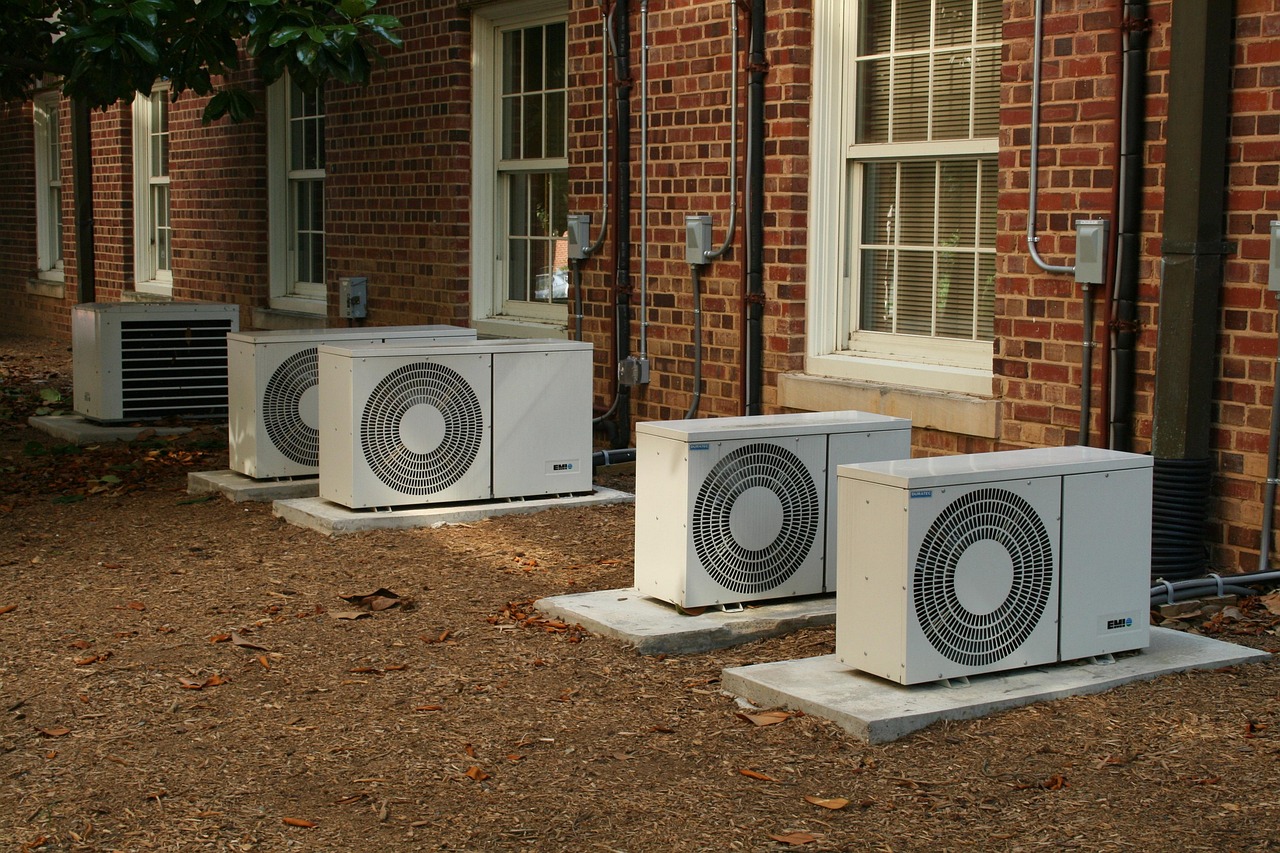
Old HVAC systems are energy hogs. If your furnace or A/C is more than 10 15 years old, it’s probably dragging your power bill down. Swapping it out for an ENERGY STAR rated unit isn’t just smart it’s essential. These models are designed to use less energy while keeping your home comfortable year round.
Next step: install a smart thermostat. They’re cheap, easy to use, and let you control heating and cooling by zone or schedule. Many models also track your usage, making it easier to see where you’re wasting energy and money.
Finally, don’t overlook your ductwork. Leaky or clogged ducts make even the best HVAC system work harder than it should. Sealing and cleaning them ensures that air goes where it’s supposed to, not into your attic or walls. Efficient systems work best when every part the unit, the controls, the delivery is dialed in.
Use Better Lighting
Lighting might seem minor, but it sneaks into your energy bill more than you think. Swapping every incandescent bulb in your house for LEDs is one of the easiest wins. They use up to 80% less energy and last way longer. It’s a small switch with a big payoff.
Next up: motion sensors and timers. Add them to outdoor lights, garages, basements anywhere you often forget to flip the switch. Set it and forget it. These gadgets cut back on accidental all nighters (looking at you, porch light).
Finally, think in layers. Ambient, task, and accent lighting used together lets you light only what you need, when you need it. It’s about comfort without the waste. Better lighting design isn’t some fancy upgrade it’s smarter living baked right into your daily routine.
Optimize Water Heating
Water heating eats up a surprising chunk of your energy bill. Switching from a traditional tank style heater to a tankless option can seriously cut those costs. Tankless models heat water on demand, so there’s no energy wasted keeping 40 or 50 gallons hot all day. They cost more upfront but last longer and save more in the long run especially for smaller households or homes with staggered water use.
Another simple fix: insulate your water pipes. Most homes lose a lot of heat as hot water travels through cold plumbing. Wrapping exposed pipes with foam sleeves is a cheap weekend project that delivers real gains, especially in colder climates.
Finally, dial your water heater thermostat down to 120°F. That one move lowers energy use, reduces scald risk, and your hot showers will still be plenty hot. No fancy gadgets required just a screwdriver and five minutes.
Embrace Energy Saving Appliances
Big appliances drain energy fast unless you upgrade smart. When replacing kitchen or laundry units, always check for the ENERGY STAR label. These models aren’t just better for the planet they perform as well or better while using way less electricity. Over time, the savings add up, especially with daily use gear like dishwashers, washers, and fridges.
Idle devices are another silent drag on your bill. Think of your microwave or coffee machine sitting plugged in 24/7. That standby power adds up. Smart power strips can cut the drain by recognizing when devices aren’t in use and cutting flow automatically.
For serious gains, consider swapping in induction cooktops and heat pump dryers. Induction heats quicker and wastes less energy than traditional electric or gas. Heat pump dryers are gentle, efficient, and use up to 50% less energy than standard models. These aren’t luxury upgrades they’re smart, long term moves that pay off in every utility cycle.
Low Cost, High Impact DIY Moves
You don’t need a full home remodel to boost efficiency. Start with the small stuff that punches above its weight. Drafty rooms? Thermal curtains are a fast fix easy to hang, and they cut heat loss at night or summer heat gain during the day. Window film adds an invisible barrier that reflects solar energy and keeps indoor temps more stable.
Now check your floors. Gaps under doors leak more conditioned air than most people realize. Door sweeps are easy to install and block out drafts instantly. Same goes for outlet gaskets those cold air leaks behind plug sockets on exterior walls? A $10 pack of foam gaskets solves that fast.
In hot climates, your roof is your first line of defense. Reflective roof coatings bounce some of the sun’s energy back into the sky, instead of letting it bake your attic. It’s one of the simplest ways to make a measurable dent in summer cooling bills.
To dive deeper into practical insights on home efficiency upgrades, check out our full energy saving tips guide.
These smart upgrades not only reduce your carbon footprint they put real money back in your wallet.
 Wesleyero McGill – Founder & CEO
Wesleyero McGill is the visionary behind Castle Shelf House, bringing over a decade of experience in home renovation and design. His passion for creating beautiful, functional spaces has led him to establish this platform, where he shares the latest trends in interior and exterior design. As Founder and CEO, Wesleyero is dedicated to offering expert advice on furniture placement, home styling, and renovation, helping homeowners transform their spaces with ease and confidence.
Wesleyero McGill – Founder & CEO
Wesleyero McGill is the visionary behind Castle Shelf House, bringing over a decade of experience in home renovation and design. His passion for creating beautiful, functional spaces has led him to establish this platform, where he shares the latest trends in interior and exterior design. As Founder and CEO, Wesleyero is dedicated to offering expert advice on furniture placement, home styling, and renovation, helping homeowners transform their spaces with ease and confidence.